


Near-Miss Audio Effects in Slot Machines: How Sound Shapes the Feeling of Almost Winning
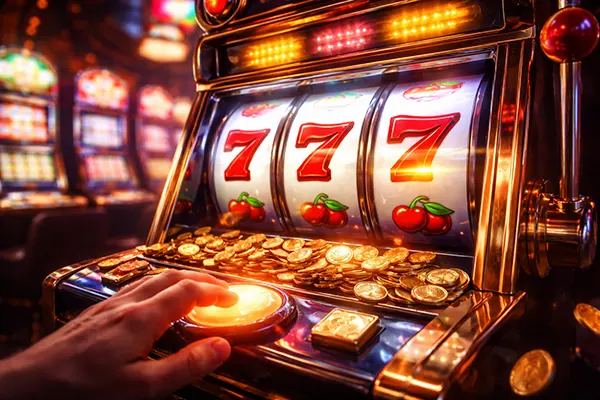
The perception of “almost winning” in slot machines is not accidental. It is carefully constructed through visual timing and, more importantly, sound design. Audio cues play a decisive role in shaping emotional reactions, reinforcing anticipation and making outcomes feel closer to success than they actually are. In modern slot development, sound is not simply decorative — it is a behavioural tool that influences how players interpret results and how long they remain engaged.
The Psychology Behind Near-Miss Perception
A near-miss occurs when symbols align in a way that suggests a win was close, such as two jackpot symbols landing with a third just above or below the payline. From a mathematical standpoint, this outcome is identical to a loss. However, the human brain interprets it differently. Research in behavioural psychology shows that near-misses activate reward-related areas of the brain similarly to actual wins, even though no reward is delivered.
This cognitive distortion is linked to the concept of “counterfactual thinking” — the mental process of imagining how easily the result could have been different. When players see a near-winning combination, they subconsciously feel that success was within reach. This perception increases motivation to continue playing, as the brain interprets the event as progress rather than failure.
Sound design amplifies this effect by reinforcing the illusion of proximity. Instead of treating near-misses as neutral outcomes, audio cues frame them as emotionally significant events. Subtle musical elements, rising tones, or delayed silence create tension that mirrors the experience of an almost-successful attempt.
How Sound Activates Reward Systems
Audio triggers are directly connected to the brain’s dopamine system, which regulates motivation and reward-seeking behaviour. In slot machines, even non-winning outcomes can produce mild dopamine responses if they are accompanied by stimulating sounds. This is particularly true for near-miss scenarios, where the brain is already primed to expect a positive result.
Designers often use ascending sound sequences — tones that gradually increase in pitch — to simulate progress. When reels slow down and approach a near-miss configuration, the sound builds tension. Even if the final result is a loss, the emotional peak has already occurred, making the outcome feel more engaging than a standard loss.
Importantly, the absence of sound can also be used strategically. A brief pause before revealing the final symbol creates suspense, encouraging the player to anticipate a win. This manipulation of timing and silence enhances the psychological impact of near-miss events.
Audio Design Techniques Used in Modern Slots
Modern slot games rely on layered audio systems rather than single sound effects. These systems combine background music, reel spin sounds, and event-triggered cues to create a continuous sensory experience. Each layer is carefully synchronised with visual elements to maintain immersion and emotional engagement.
One common technique is “dynamic audio scaling.” As the reels spin, the volume and complexity of the sound gradually increase. When a near-miss is detected — for example, when two matching symbols appear early — the game subtly shifts the audio profile to signal potential success. This primes the player to expect a favourable outcome.
Another method involves using familiar musical patterns. Short melodic fragments resembling victory sounds are introduced during near-miss events but cut off before completion. This creates a sense of interruption, reinforcing the idea that the win was just out of reach.
Timing, Rhythm and Emotional Control
Timing is critical in audio design. The speed at which reels stop is often synchronised with rhythmic patterns in the soundtrack. When the final reel slows down, the rhythm may pause or stretch, increasing tension. This deliberate pacing makes the outcome feel more significant, regardless of whether it results in a win.
Rhythmic irregularity is also used to maintain attention. If every spin followed the same predictable audio pattern, players would quickly lose interest. By introducing slight variations — especially during near-miss events — developers keep the experience fresh and psychologically engaging.
Emotional control is achieved through contrast. A quiet background followed by a sudden burst of sound creates a stronger reaction than constant noise. Near-misses often sit at the peak of this contrast, where tension builds but is not fully resolved.
Ethical Considerations and Player Awareness
The use of audio to enhance near-miss perception raises important ethical questions. While these techniques are legal and widely used, they blur the line between entertainment and behavioural influence. Players may not be fully aware of how sound affects their perception of outcomes and decision-making.
Regulatory bodies in several jurisdictions have begun to examine the role of sensory design in gambling products. Some guidelines suggest limiting misleading audio cues that imply a win when none has occurred. However, enforcement varies, and many games still rely heavily on these psychological mechanisms.
From a player’s perspective, understanding these effects can help maintain control. Recognising that near-misses are random outcomes — not indicators of progress — reduces their emotional impact. Awareness of audio manipulation allows players to interpret the experience more objectively.
Practical Tips for Interpreting Game Feedback
One effective strategy is to play with reduced or muted sound. Without audio cues, near-misses appear as simple losses, making it easier to evaluate the game rationally. This approach highlights how much sound contributes to perceived excitement.
Another useful habit is to focus on long-term outcomes rather than individual spins. Slot machines operate on random number generators, meaning each spin is independent. Near-misses do not increase the probability of future wins, regardless of how they feel.
Finally, setting predefined limits — both time and budget — helps counteract the influence of sensory design. By establishing clear boundaries before playing, users can avoid decisions driven by emotional responses to near-miss events.