


The Sound of Losing in Casinos: Why Slot Machines Rarely Let Players Feel Defeated
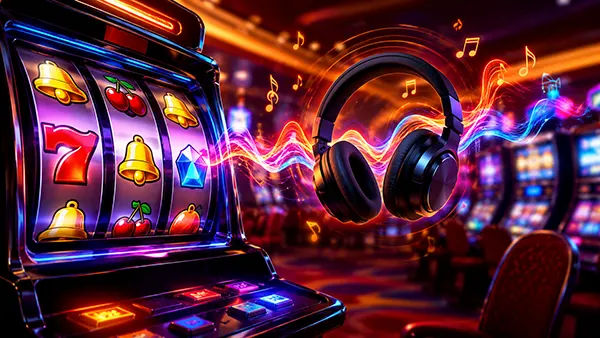
Modern slot machines are designed to keep players emotionally engaged even during long losing sessions. While most gamblers understand that casino games are based on mathematical house advantage, many underestimate how strongly sound influences perception. Audio effects in slots are not random decorations added for entertainment. They are carefully structured psychological tools created to soften disappointment, extend playing sessions, and maintain emotional momentum. By 2026, casinos and game studios continue using increasingly advanced sound design systems that react to player behaviour in real time, making losses feel less obvious and wins feel more significant than they truly are.
How Casino Audio Design Changes the Perception of Losses
Slot machines rarely produce silence after a losing spin. Instead, many games use soft celebratory sounds, coin effects, rising melodies, or near-win audio cues even when the balance decreases. This approach reduces the emotional impact of failure. Studies from gambling behaviour researchers at institutions including the University of Waterloo and Nottingham Trent University have shown that positive reinforcement sounds can alter a player’s memory of financial outcomes. In practice, players often remember excitement more clearly than monetary loss.
One common technique involves “losses disguised as wins.” This happens when a slot pays back a small amount that is lower than the original stake. For example, a player bets £1 and receives £0.30. Technically, the spin is still a net loss, yet many machines trigger upbeat sound effects identical to those used for profitable results. The brain responds to the reward stimulus before rational calculation occurs. Repeated exposure to these sounds can create a distorted emotional understanding of success.
Modern online casinos also integrate adaptive sound layers into mobile and desktop slots. These systems may increase musical intensity during bonus rounds, speed up audio pacing after repeated losses, or use suspenseful pauses before near-miss outcomes. Developers understand that sound affects dopamine release and emotional anticipation. As a result, audio engineering has become as important as graphics and gameplay mechanics in keeping users active.
The Psychology Behind Near-Miss Audio Effects
Near misses are among the most powerful psychological tools in slot machine design. A near miss occurs when symbols appear close to forming a jackpot combination without actually completing it. Although the player loses, the outcome feels emotionally similar to almost succeeding. Neuroscientific research has demonstrated that near misses activate many of the same brain regions associated with real wins, particularly areas linked to motivation and reward anticipation.
Sound amplifies this effect dramatically. Slot machines often add slowing reel noises, rising musical tones, or dramatic clicks during near-win sequences. These audio patterns create tension and emotional expectation. Even when the outcome fails, the sound design encourages players to interpret the event as evidence that a big payout may be “close.” This emotional framing can increase the likelihood of continuing to gamble.
Game developers openly discuss retention mechanics during industry conferences such as ICE London and SBC Summit events. Audio optimisation is regularly presented as a method for improving “session engagement” and “player immersion.” While these phrases sound harmless, they often refer to strategies intended to minimise frustration and extend playing time. Regulatory bodies in several countries, including the UK Gambling Commission, continue monitoring how audio affects player behaviour, particularly regarding vulnerable users.
Why Silence Is Rarely Used After Losing Spins
Silence creates emotional clarity. In gambling environments, clarity is not always commercially beneficial. A completely silent losing spin would force players to focus entirely on the negative financial outcome. Instead, slot machines fill the gap with ambient sounds, animations, and rhythmic feedback that maintain stimulation. This approach helps prevent emotional interruption between spins.
Land-based casinos have understood the importance of environmental sound for decades. Physical gaming floors are intentionally noisy, filled with electronic jingles, spinning reels, digital melodies, and overlapping jackpot alarms. Even players who are losing continuously remain surrounded by sounds associated with excitement and success. The environment creates the impression that wins are constantly happening nearby, even though statistical losses dominate over time.
Online casinos adopted similar strategies after mobile gaming became dominant. By 2026, many slot developers use layered audio systems that adjust dynamically based on user interaction. Faster spin activity may trigger more energetic soundtracks, while prolonged inactivity can activate subtle prompts encouraging players to continue. Some games also synchronise vibration feedback and sound cues on smartphones, making emotional responses stronger through sensory combination.
How Audio Keeps Players Inside Longer Sessions
Casino operators analyse behavioural metrics in detail, including average session length, spin frequency, and player return rates. Audio plays a measurable role in these statistics. Research from behavioural psychology indicates that repetitive positive reinforcement sounds can encourage automatic behaviour patterns, particularly during rapid, repetitive actions like slot spinning.
Short sound intervals between spins are especially important. When the transition from one spin to the next feels smooth and emotionally active, players are less likely to pause and evaluate spending. Many modern slots use continuous background music without clear endings, creating a flow state where time perception becomes weaker. This design philosophy mirrors techniques used in social media applications and mobile games.
Some regulators have introduced rules to reduce potentially manipulative design. The UK banned autoplay functions and certain rapid spin mechanics in online slots, partly due to concerns about behavioural conditioning. However, sound design itself remains less tightly regulated. As a result, developers still use sophisticated acoustic techniques to maintain emotional engagement while staying within legal boundaries.

The Future of Slot Machine Sound Design in 2026
Artificial intelligence is beginning to influence casino audio systems more directly. Several gaming studios now experiment with adaptive soundtracks capable of reacting to individual player patterns. Instead of using fixed sound sequences, these systems can modify tempo, intensity, and emotional tone depending on betting behaviour, time spent playing, or interaction speed.
Another growing trend involves cinematic sound engineering. Slot games increasingly resemble video games or streaming entertainment experiences rather than traditional gambling machines. Developers hire professional composers, voice actors, and film sound designers to create emotionally immersive environments. This evolution blurs the line between gambling mechanics and entertainment psychology, making emotional disengagement more difficult for some players.
At the same time, awareness among players is gradually increasing. Responsible gambling organisations now educate users not only about RTP percentages and betting limits, but also about sensory manipulation techniques. Understanding how sound affects emotional decision-making can help players recognise when excitement is being artificially sustained despite continuous financial losses.
Can Players Protect Themselves From Audio Manipulation?
One of the simplest methods is reducing or muting slot audio entirely. Many experienced gamblers report that games feel very different without sound effects. Losing streaks become more noticeable, bonus rounds feel less emotionally intense, and spending decisions become easier to evaluate rationally. Removing audio strips away much of the emotional framing built into slot design.
Setting strict time and spending limits before starting a session also reduces the influence of sensory stimulation. Emotional decisions become more common during extended play, particularly when players enter repetitive gambling patterns. Break reminders, external timers, and realistic budgeting can help maintain awareness of actual outcomes rather than emotional impressions created by sound and animation.
Casino sound design is unlikely to become simpler in the coming years. Competition among developers continues pushing games toward increasingly immersive experiences. For players, understanding these mechanics is becoming as important as understanding payout percentages or volatility levels. The sounds of slot machines are not accidental background effects. They are carefully engineered elements designed to shape perception, soften frustration, and keep the spin button active for as long as possible.