


Dynamic Music in Online Slots: How Soundtracks React to Game Events

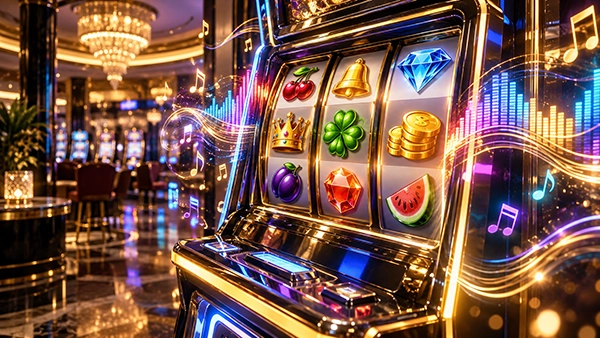
Modern slot audio is no longer one tune repeating behind the reels. By 2026, many games use changing music, short cues and layered effects that react to wins, bonus triggers and free spins. This gives play a clearer rhythm while the result itself remains governed by the game’s normal random mechanics.
Why Slot Music Changes During Play
A slot can move through several audio states in one session. The base game may use a quiet loop, while a scatter, multiplier or bonus trigger introduces a faster rhythm, stronger percussion or a new melody. These shifts mark changes in the action without adding extra instructions on screen.
At No Way Limit, the published slot selection includes Sweet Bonanza and Book of Dead. They show how familiar games combine visual events with sound cues, although audio design differs by title and should never be treated as a signal that a certain result is about to occur.
Sound is part of presentation, not prediction. Music may intensify after a feature has been triggered, while a short effect may confirm a win already determined by the game. It does not alter RTP, volatility or the outcome of the next spin.
Real Examples of Reactive Slot Sound
Play’n GO has described Book of Dead’s audio in detail. When Free Spins begin, the soundtrack builds suspense, and the music intensifies when the Special Expanding Symbol is selected. Further effects accompany symbol expansions, so the audio follows the feature instead of remaining identical to the base game.
Sweet Bonanza takes a lighter approach. Its sound effects highlight wins and support the flow of tumbling symbols, while the bright visual design remains dominant. This is responsive audio used for confirmation and pace rather than for making every reel movement sound dramatic.
Dead or Alive relies more heavily on theme. Western-style ambience sits behind ordinary spins, while win effects and bonus music become stronger when the game changes state. The sound helps maintain the frontier atmosphere while separating routine spins from feature moments.
What Dynamic Audio Tells the Player
The most useful cues are immediate and easy to recognise. A distinct tone can confirm free spins, a rising phrase can accompany a multiplier sequence, and a short celebratory effect can mark the end of a winning cascade. Audio therefore adds feedback beside symbols, counters and animations.
Good sound design should not create false signals. A dramatic build-up may increase tension, but it is not evidence that a large win is more likely. Random-number-based slots determine outcomes independently of the soundtrack, so music reflects events rather than influencing the maths behind them.
Players can usually mute sound or lower the volume, which matters on mobile devices and during longer sessions. A slot should remain understandable without audio because essential details, including wins, bet values and feature states, also appear visually.
How Developers Balance Atmosphere and Clarity
The strongest soundtracks change enough to avoid repetition but stay consistent with the theme. Developers can keep a recognisable main melody and add layers only when the action changes. Bonus rounds then feel distinct without losing the game’s established audio identity.
Volume balance matters too. Music, reel sounds, win effects and voice lines all compete for attention, especially through phone speakers. If every event is equally loud, useful cues become harder to notice. A restrained mix gives important moments more space.
Dynamic music works best when it explains pace rather than exaggerates outcomes. A tempo shift can show that a feature has started, while a brief cue can confirm that it has ended. Used carefully, sound supports the theme, reinforces visible events and keeps the game readable without suggesting that audio can forecast results.